Oil seals play a vital role in mechanical systems by keeping lubricants and fluids securely contained. But what materials are they made from, and why does it matter?
Typically, oil seals are constructed from elastomeric materials known for their resistance to oil, heat, and wear. Common options include rubber, silicone, and polyurethane—each offering distinct advantages depending on the application.
In the following section, we’ll explore oil seals in more detail, including their functions, composition, and why material selection is key to ensuring reliable performance.
What Are Oil Seals?
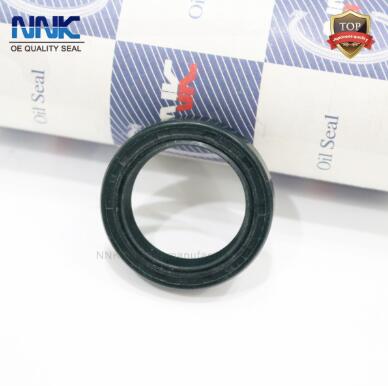
Oil seals, also known as rotary shaft seals, are mechanical components designed to prevent lubricants or oils from leaking out of machinery while blocking the entry of contaminants such as dust, dirt, and moisture.
These seals fit snugly around a rotating shaft, maintaining the necessary pressure to contain fluids and protect the internal components. By keeping lubrication in and contaminants out, oil seals help ensure efficient performance and extend the lifespan of mechanical systems.
An oil seal typically consists of three main parts: a sealing element, a spring, and a casing. The sealing element—commonly made from rubber or similar materials—creates the actual barrier, while the spring maintains consistent contact with the shaft to prevent leakage. The casing provides structural support, ensuring the seal stays securely in place during operation.
Components of an Oil Seal
Sealing Lip: The sealing lip is the part of the oil seal that makes direct contact with the rotating shaft, creating the barrier that prevents fluid leakage.
Spring: The spring applies consistent pressure on the sealing lip, ensuring it remains tightly pressed against the shaft to maintain an effective seal even under varying conditions.
Casing: The casing provides structural support for the seal, securing all components together and allowing for stable, easy installation into the housing.
How Oil Seals Work
Oil seals operate by maintaining controlled contact between the sealing lip and the rotating shaft. The pressure generated by the lip, assisted by the spring, keeps lubricants from leaking out while preventing dust, dirt, and other contaminants from entering. This continuous sealing action ensures smooth rotary motion and protects machinery from premature wear or damage.
How Many Oil Seals Are in an Engine?
Oil seals play a vital role in maintaining engine performance, and most engines contain multiple oil seals. The exact number depends on the engine’s design and complexity, but common locations include the crankshaft, camshaft, timing cover, and valve covers. Each seal has a specific function to prevent oil leakage and protect engine components.
Types of Oil Seals in an Engine
Crankshaft Oil Seal: Prevents oil from leaking at both the front and rear ends of the crankshaft.
Camshaft Oil Seal: Seals the camshaft to stop oil from escaping.
Timing Belt Seals: Prevent oil from contaminating the timing mechanism.
Valve Cover Seals: Seal the top of the engine to keep oil contained and prevent leaks.
What Are Oil Seals Made Of?
The material of an oil seal is essential to its performance, affecting its resistance to wear, heat, and chemical exposure. The choice of material depends on the type of fluid being sealed, operating temperatures, and the specific application.
Common Materials for Oil Seals
Nitrile Rubber (NBR): Highly resistant to oils, fuels, and heat, making it the most widely used material for general-purpose oil seals.
Fluoroelastomers (FKM): Suitable for high-temperature and high-performance applications, offering excellent chemical resistance, commonly used in automotive engines.
Silicone Rubber: Provides flexibility and good temperature resistance, though less resistant to oils and fuels compared to NBR or FKM.
Specialty Materials
Polyurethane (PU): Known for its superior wear resistance, ideal for heavy-duty applications.
EPDM Rubber: Excellent for environments with water or steam exposure, providing effective sealing under such conditions.
How Long Do Oil Seals Last?
Oil seals are designed for durability, but their lifespan depends on material, operating conditions, and maintenance. Generally, oil seals in vehicles last between 50,000 and 100,000 miles, though extreme conditions can shorten this period.
Factors Affecting Oil Seal Lifespan
Temperature: High heat can degrade rubber over time, while very low temperatures may cause seals to become brittle.
Pressure: Seals exposed to high pressure may wear out more quickly.
Chemicals: Contact with harsh chemicals or incompatible oils can lead to premature failure.
Signs of Oil Seal Wear
Oil leaks around engine components.
Unusual engine noises caused by loss of pressure or fluid.
Decreased performance in machinery or engine operation.
Proper maintenance and monitoring of these factors can help maximize the life of oil seals.
What Causes Oil Seal Damage?
Oil seals are designed to handle pressure and wear, but several factors can lead to their failure. Recognizing these causes is essential for preventing premature damage and avoiding costly repairs.
Common Causes of Oil Seal Damage
Overheating: Excessive temperatures can degrade the seal material, reducing its ability to maintain a proper seal.
Pressure: High internal pressure can deform the seal, resulting in leaks.
Contamination: Dirt, dust, or chemicals can harm the seal’s surface and compromise its performance.
Improper Installation: Misaligned or incorrectly installed seals wear out faster and may fail prematurely.
Regular maintenance and correct installation are key to extending the lifespan of oil seals.
Conclusion
Oil seals play a critical role in preventing fluid leaks and protecting machinery. By understanding their materials, expected lifespan, and common causes of damage, you can maintain their performance and extend the operational life of your equipment.




Comments