


High Cavitation Molds: A Complete Guide
Aug. 14, 2025
What Is a High Cavitation Mold?
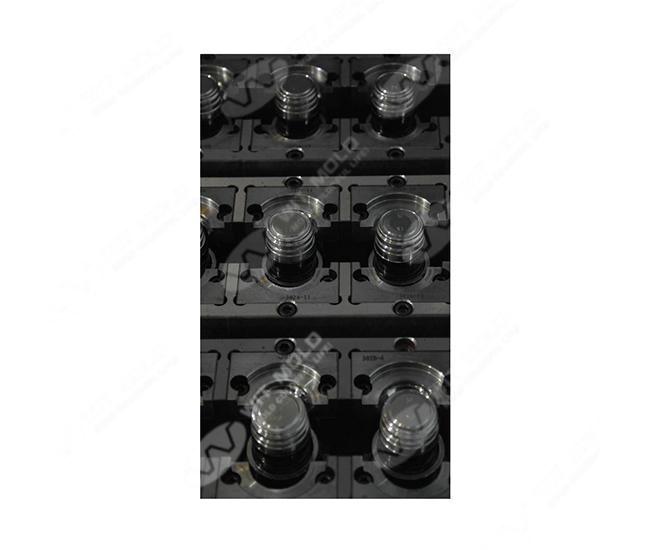
A high cavitation mold is an injection mold designed with a large number of cavities—often 16, 32, 64, or more—allowing multiple parts to be produced in a single molding cycle. This setup is ideal for mass production, as it significantly increases output while maintaining part uniformity. High cavitation molds are commonly used in industries that require high-volume, consistent-quality components at competitive production costs.
Benefits of High Cavitation Injection Molding
High cavitation injection molding offers several advantages:
Increased productivity – Multiple parts are molded in each cycle, boosting output.
Lower cost per part – Higher efficiency reduces overall production costs.
Consistent quality – All cavities produce identical parts with minimal variation.
Optimized material use – Reduced waste compared to multiple single-cavity molds.
Better ROI – Faster production speeds help recover tooling investment more quickly.
High Cavitation Mold Design Considerations
Designing a high cavitation mold requires careful planning to ensure efficiency and durability:
Uniform filling – Balanced runner and gate design to ensure even material flow.
Cooling system efficiency – Proper cooling channels to maintain consistent cycle times.
Steel selection – High-strength, wear-resistant steel to handle high production volumes.
Venting – Adequate venting to prevent air traps and improve surface finish.
Mold alignment – Precision machining to avoid flash and parting line defects.
Maintenance accessibility – Design that allows for easy cleaning and repairs.
How to Optimize High Cavitation Mold Performance
To maximize efficiency and lifespan, manufacturers can adopt these best practices:
Maintain process stability – Keep injection parameters consistent across cycles.
Monitor cavity balance – Ensure each cavity fills evenly to avoid defects.
Implement preventive maintenance – Regular inspection and cleaning extend mold life.
Use hot runner systems – Reduce cycle time and material waste.
Invest in quality cooling systems – Shorten cycle time and improve part quality.
Applications of High Cavitation Molds in the Automotive Industry
The automotive industry benefits greatly from high cavitation molds, particularly in producing high-volume plastic components such as:
Connectors and clips – Electrical and structural fastening components.
Interior trims – Dashboard parts, vents, and panels.
Fluid system parts – Caps, housings, and small under-the-hood components.
Lighting components – Reflectors, lenses, and mounting brackets.
By enabling large-scale, consistent production, high cavitation molds help automotive manufacturers meet tight deadlines and maintain quality standards.
Cost Analysis of High Cavitation Mold Production
While the initial investment in a high cavitation mold is higher than single- or low-cavity molds, the long-term savings often outweigh the upfront cost. Factors influencing cost include:
Number of cavities – More cavities require more complex machining and higher material costs.
Tooling materials – Premium steels increase durability but raise initial costs.
Precision requirements – Tight tolerances and complex designs demand advanced manufacturing techniques.
Production volume – High-volume projects justify the investment through reduced cost per part.
In many cases, a high cavitation mold becomes cost-effective after producing hundreds of thousands or millions of parts, making it a preferred choice for high-volume industries like automotive, packaging, and consumer goods.
362
0
0
All Comments (0)
Previous: Comment optimiser l'usinage de précision CNC pour éviter les erreurs coûteuses ?
Next: Solving Common Challenges in Numerical Control Processing Purchases
If you are interested in sending in a Guest Blogger Submission,welcome to write for us!

Comments